
Exterior Painting in North Carolina: Best Seasons, Best Results
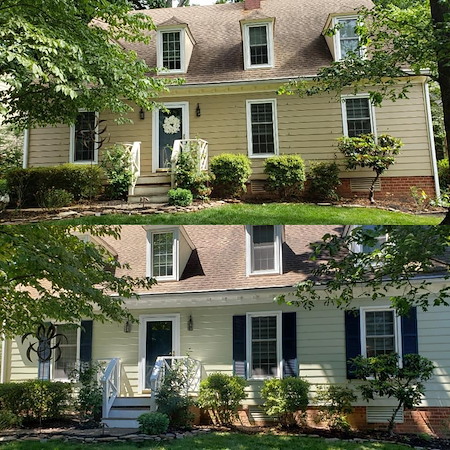
Picking the right season for exterior work can be the difference between a paint job that looks sharp for years and one that fades or peels too soon. If you want results that last, timing and weather matter as much as product choice. This guide explains how North Carolina’s seasons affect curing, color, and coating life so you can plan your project with confidence. For a deeper look at process and prep, explore our exterior painting service and see how Gio's Pro Painting handles the details that protect your home.
Why Season Matters For Exterior Painting In North Carolina
Paint is chemistry at work. It needs the right mix of temperature, humidity, and time to form a tight, durable film. North Carolina’s climate swings from humid summers to crisp, changeable falls, and those shifts change how coatings dry and cure. Pros watch for steady, mild conditions so the finish bonds well, reaches full hardness, and resists moisture the way it should.
When the season is chosen well, you get richer color, fewer touchups, and longer intervals before the next repaint. Your siding and trim also benefit from a better moisture seal, which helps defend against swelling wood, hairline cracks, and sun wear.
Ideal Temperature And Humidity Ranges
Most modern exterior acrylics perform best when daytime highs are mild and nights stay out of the cold range. Many products specify a minimum application temperature in the 35 to 50 degree range, with sweet spots for drying around 50 to 85 degrees. Overnight lows should remain safely above the label minimum so the film keeps curing while the house cools after sunset.
Humidity plays a big role too. Relative humidity below about 80 percent helps coatings release water and set up on schedule. Very damp air slows cure, which can leave the surface soft longer than intended. Pros also compare surface temperature to the dew point because condensation can appear even on a dry day if they are too close. Avoid days when surface temperature sits close to the dew point, since hidden moisture can weaken adhesion.
Rain, Dew, And Dry-Time Planning In NC
Rain risk is more than a yes-or-no forecast. In the Piedmont and Coastal Plain, quick pop-up showers are common on warm afternoons. A professional crew times washing, priming, and finish coats so each layer gets the right cure window before any chance of rain or heavy dew. Many acrylics become water-resistant within a few hours in ideal spring or fall conditions, but cooler or more humid air stretches that time.
Never paint over damp surfaces or when last night’s dew has not burned off. Early starts can be great, but not before the substrate is truly dry. In summer, crews often begin on the shaded side and chase the shade as the day warms to protect sheen and color.
Regional Timing Across North Carolina
Our state covers mountains, rolling Piedmont, and long coastline. Each zone has its own timing sweet spots because temperature swings, humidity, and wind patterns differ.
- Mountains: Late April through June and again in September often bring the steadiest temperatures. Nights can cool fast, so watching overnight lows is key.
- Piedmont: Spring from March to May and fall from late September through early November tend to offer mild days and manageable humidity.
- Coastal Plain: Spring and late fall are often best. Summer humidity and afternoon sea-breeze showers make scheduling trickier on barrier islands and along the sounds.
Local microclimates matter too. Shaded lots dry slower. South- and west-facing walls run warmer and can flash-dry in full summer sun. A site visit helps set the right plan for your specific home.
Month-By-Month: Best Windows For Lasting Results
Use this simple calendar lens to talk timing with your contractor. It is not a DIY guide. It is a planning tool that helps you pick a season and reserve a spot on the schedule.
- February: Mountain nights are cold and days are short. In the Piedmont and along the coast, occasional mild spells appear, but windows are narrow.
- March–April: Prime months in many parts of the state. Pollen peaks in central NC, so washing after the worst of the yellow dust helps coatings bond.
- May–June: Still strong in most areas, with longer days. Watch for fast-moving storms in the afternoons.
- July–August: Usable with careful timing around heat, humidity, and thunderstorms. Shade-first scheduling helps maintain sheen.
- September–October: Often the most reliable stretch statewide with cooler, drier air. Coastal areas should keep an eye on tropical systems.
- November: Great in the Piedmont and coast during early weeks if overnights stay above product minimums.
- December–January: Short days and chilly nights dominate. Select low-temp products and protected exposures only when conditions allow.
How Pros Plan Around North Carolina Weather
Experienced crews build a simple daily checklist and adjust by hour. They track radar and watch humidity trends, then stage ladders, tarps, and materials so they can pause and protect the work if a shower forms. Wind direction matters as much as speed: it affects overspray control, drying rate, and even how dust from nearby work sites might drift.
Here is what a professional looks at before picking up a brush or sprayer:
- Overnight low and expected high compared to the paint’s minimum and maximum application ranges
- Relative humidity trend hour by hour, not just a single number
- Dew point spread and shade patterns on each side of the house
- Rain probability and timing, plus room for cure time between coats
- Wind speed and direction that may affect debris and drying
If the forecast turns, the plan shifts. That might mean swapping a trim day for a prep day, or moving to a more sheltered side of the house until the breeze calms. This flexible approach helps ensure smoother film build and cleaner lines.
Materials, Surfaces, And Shade Considerations
Different materials respond differently to the same weather. Wood trim expands and contracts a lot across the year. Brick holds heat and moisture longer than fiber cement. Vinyl absorbs heat unevenly depending on color. The schedule takes all that into account so the coating bonds deeply and cures evenly.
Color is part science and part style. Darker hues on south-facing walls can run warmer and may age faster in direct sun. Lighter body colors with richer trim can balance heat while still giving contrast. Samples painted on both the sunniest and shadiest sides show how your color reads throughout the day.
Longevity Tips You Can Use When Choosing Your Season
Longevity starts with conditions. Choose a stretch of stable weather and let the pros set a pace that respects cure windows. Small decisions make big differences later.
Watch the overnight low during your project week, not just the daytime forecast. If nights dip below the label minimum, curing slows and early performance can suffer. Ask your contractor how they sequence washing, repairs, primer, and finish coats around temperature and humidity so each step has time to set.
Moisture management matters long after the last coat dries. Keep gutters clean and soil graded so splash-back does not soak lower trim. Trim shrubs a bit away from walls for airflow. A short seasonal rinse can remove pollen and dust that hold moisture on the surface.
Scheduling Around North Carolina’s Busy Seasons
Spring and fall fill up fast because they offer that mix of mild temperatures and drier air. If you want a prime slot, reach out early so you can match your ideal month to your calendar. If flexibility helps, your contractor can often find excellent windows in early summer mornings or late fall afternoons, especially for shaded sides and trim.
Exploring project timing with a pro is the best way to lock in great results. You can read more about process and prep on our detailed professional exterior painting page, which explains how Gio's Pro Painting sequences each step for durability.
Coastal, Piedmont, And Mountain Notes
Coastal Plain: Salt air and steady humidity are a constant. Choose products formulated for marine-influenced climates and schedule coats when afternoon showers are least likely. Tropical systems are most common from late August to October, so a flexible plan is a plus.
Piedmont: Longer shoulder seasons make planning easier. Spring pollen can be heavy, so washing after peak saves you from sealing dust under fresh paint. Short, intense thunderstorms are common on hot afternoons, which calls for smart timing and surface checks before each coat.
Mountains: Cool nights arrive early and stay late. Sun angles and shade lines change quickly across the day, especially on wooded lots. Crews often work mid-day to maximize warmth and may break large projects into phases to follow the best hours.
How To Choose A Painting Contractor For Weather-Smart Scheduling
Look for clear communication about weather calls. Your painter should explain what temperature and humidity windows they need, how they watch dew point, and when they will pause or reschedule to protect quality. Ask how they plan for drying time between coats and how they test substrate dryness after washing.
Also ask about surface repairs. Paint should never hide problems. Solid prep and the right primers help the finish last. Do not accept a plan that skips repairs or paints over questionable areas. A thorough scope with written steps shows you how your finish will reach full strength.
A Simple Path To Best-Season Results
If you are early in research, skim a few trusted resources, look at your calendar, then speak with a local pro. You can start at the homepage to learn how exterior painting in North Carolina fits into your broader home maintenance plan, then pick your preferred month so we can hold dates that match your goals.
Ready to plan exterior painting in North Carolina for your home? Call 336-491-9106 to speak with a helpful coordinator at Gio's Pro Painting. We will review your home’s exposures, check typical weather for your area, and build a simple plan that balances quality and convenience.